
How to Simplify the Mortgage Loan Process When You're Self-Employed
Self-employed borrowers may be able to qualify with bank statements instead of tax returns. Learn what lenders review and how to strengthen your application.

When buying a new home, getting as much borrowing power as possible is important. But if you're self-employed or find it difficult to qualify using your tax returns, then you may need to find other ways to document your financial profile.
The mortgage process can be challenging for self-employed individuals, but it doesn't have to stop you in your tracks.
In this post, we'll look at how this process can work and give you some tips for getting the most out of your mortgage loan when you're self-employed. Let's get started!
Key Takeaways
If you do not plan to use tax returns to qualify for a loan, you need to show a steady flow of income into your business or personal account so you may be considered for a bank statement loan.
When your accountant drafts your CPA letter, ask whether your actual expense ratio can be documented, because that may be more favorable than a standard expense factor.
While your qualifying income will affect your loan amount, your credit profile can also influence your rate, costs, and down payment requirements.
Simplifying the Mortgage Process Without Tax Returns
In addition to their exhaustive, outdated application processes, traditional lenders use underwriting guidelines that restrict a borrower's "qualifying income." And if you're taking advantage of all your write-offs, this is a big problem!
Why?
Because traditional lenders typically look at your previous tax returns and use your net income, the number after all your deductions, as your qualifying income. Now, we all know this isn't necessarily an accurate reflection of your gross income.
But what if we told you that you may not need your tax returns to qualify for your mortgage loan? In some cases, you may be able to qualify with bank statements instead.
At Modern Day Lending we take a more common sense approach to looking at your income and evaluating your financial profile.
You give us a business or personal account, and we'll look at the cash flow over 12-24 months, focusing on the deposits into the account.
Our team knows that your income may fluctuate from month to month, which is why we compare those 12-24 months of deposits to build a clearer picture of your monthly income.
Once we've established an average, we'll apply an expense ratio, our baseline for most businesses is 50%, giving us a final figure that we use for your income.
For example, let's say you gross $10,000 per month, and we apply the 50% expense ratio. You now have $5,000 per month in income that we can use to help determine how much you may qualify to borrow.
The only other thing that we need to secure your loan is a CPA letter. This letter, prepared by an accountant, confirms that your business is currently active and in good standing.
Additionally, if you share ownership, this letter will clarify the percentage you hold within the business.
That's it. It doesn't have to be a complicated process.
That being said, you can do a few things to help ensure your loan amount is the best it can be.
Tips for Maximizing the Amount of Your Mortgage Loan
Before you even speak to your lender, you can take a few steps to maximize your mortgage loan amount and get the best deal possible. Here are our top three recommendations:
1. Increase Your Deposit Amounts
If you aren't planning on using tax returns for your mortgage application, one of the most important things you need to do is make sure you have a steady stream of income flowing into either your business or personal account.
As a self-employed individual, it's easy to intertwine your business and personal accounts, but we highly recommend against this. The key here is to choose one as your primary account and make all your sources of income flow through it.
Since you won't be using tax returns to prove your gross income, you'll need to show 12-24 months of deposits into your account to qualify for the loan you want.
If your money is flowing into both accounts, then it has the potential to lower your average income.
2. Get Your Expense Ratio Into Your CPA Letter
You know your expenses better than anyone. If you choose to apply for a loan without evaluating your expenses, then be prepared to have a standard expense ratio applied to your gross income.
As previously mentioned, we use a 50% expense rate in our calculations. We play it safe here, and it's likely higher than your ratio.
However, asking your accountant to include your actual expense ratio in your CPA letter may be worth discussing. This way, we can use that information to evaluate your qualifying income more accurately.
Let's go back to that example from above. If your gross income is $10,000 per month, but your expense ratio is only 20%, then you could have $8,000 of income considered for qualification, versus $5,000 at a 50% ratio.
Note: You need to own at least 25% of your business to use the account to qualify for a loan.
3. Build Up Your Credit Score and Evaluate Your Credit History
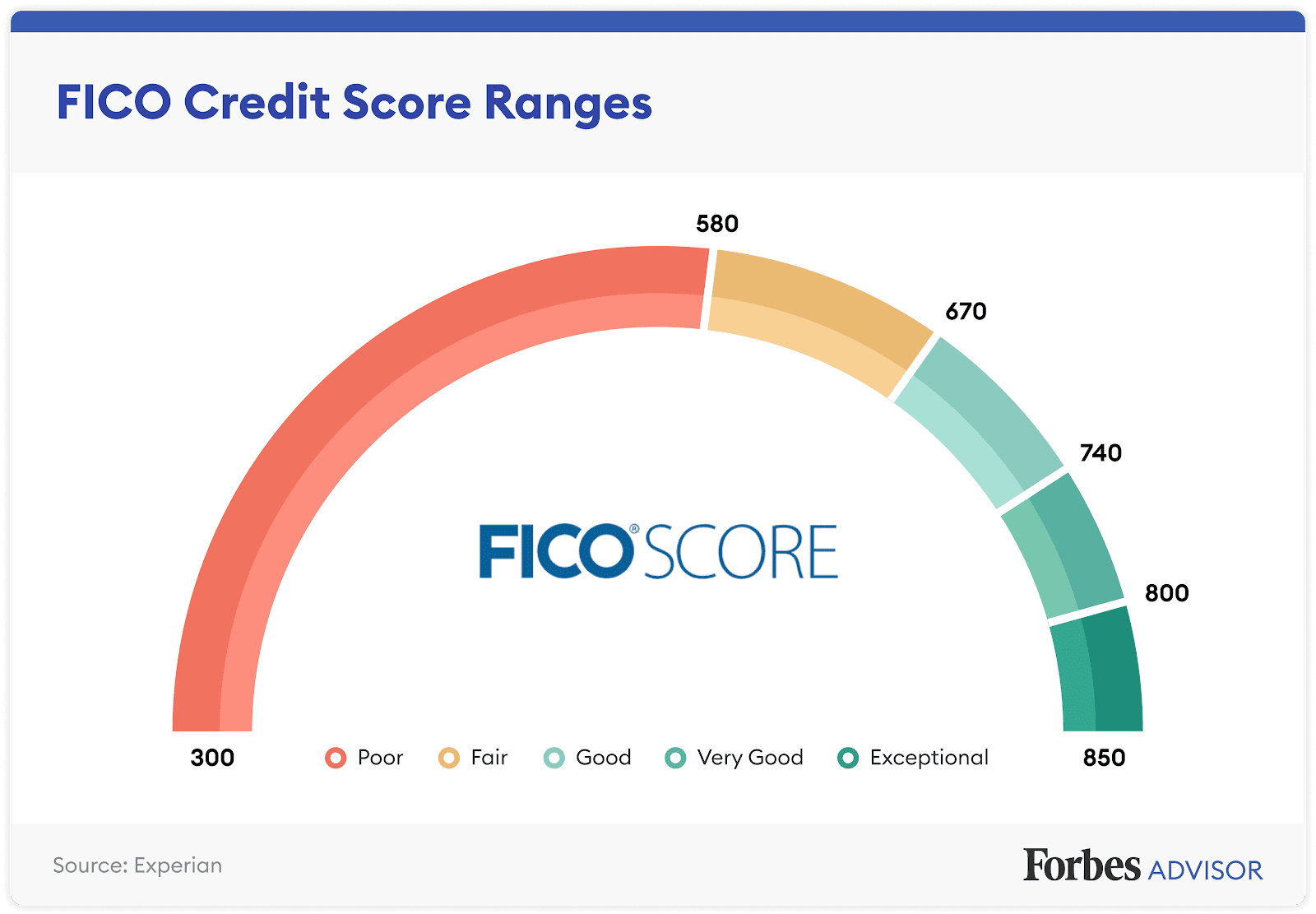
In addition to proving your gross income, your credit score is another important factor that determines your interest rate and down payment requirement.
A good credit score can indicate to lenders that you're a responsible borrower who may be more likely to repay your loan on time. This can translate to better loan options, depending on the program.
On the other hand, a lower credit score could result in fewer loan options or a higher interest rate.
At Modern Day Lending, we evaluate your credit and use it to determine the percentage you need to put down. Here's the chart for your reference:
Credit Score
|
Minimum Down Payment
|
700 - 800
|
10%
|
680 – 699
|
15%
|
660 – 679
|
20%
|
620 – 659
|
25%
|
600 - 619
|
30%
|
While many people dread looking at their credit scores, monitoring their financial health and checking for errors is critical.
If you find an error on your credit report, then you'll want to have it corrected as soon as possible. Additionally, you may be able to improve your credit profile by lowering revolving balances and making on-time payments.
You can monitor your scores and history using various tools or request a free report annually.
And that's it, it's that simple. If you follow these tips, then you'll be in a better position to maximize your mortgage loan amount.
Get the Home of Your Dreams With Modern Day Lending
When you're self-employed and looking for a mortgage loan, it's important to find the right lender. There are a lot of different lenders out there, and not all of them are created equal, after all, not every lender offers qualification options without tax returns.
At Modern Day Lending, we've helped thousands of self-employed borrowers settle into the home of their dreams after getting a loan they didn't think they could get in the first place.
We understand that self-employed individuals like to take advantage of tax write-offs and deductions, and you shouldn't be punished for that!
Our team works with you to assess your actual gross income at the time of preapproval, so there are no questions about your income when it comes time to go through underwriting.
This can be a strong solution for self-employed individuals who want to take advantage of tax deductions while still operating their businesses.
If you've been denied before or are just starting your home-buying journey, let us help you explore your options. Contact our team today and find out how the process works.