
Jumbo Construction Loans: Requirements and How They Work
A guide to jumbo construction loans: how draws work, the loan types available, W2 vs. self-employed requirements, and steps to apply.
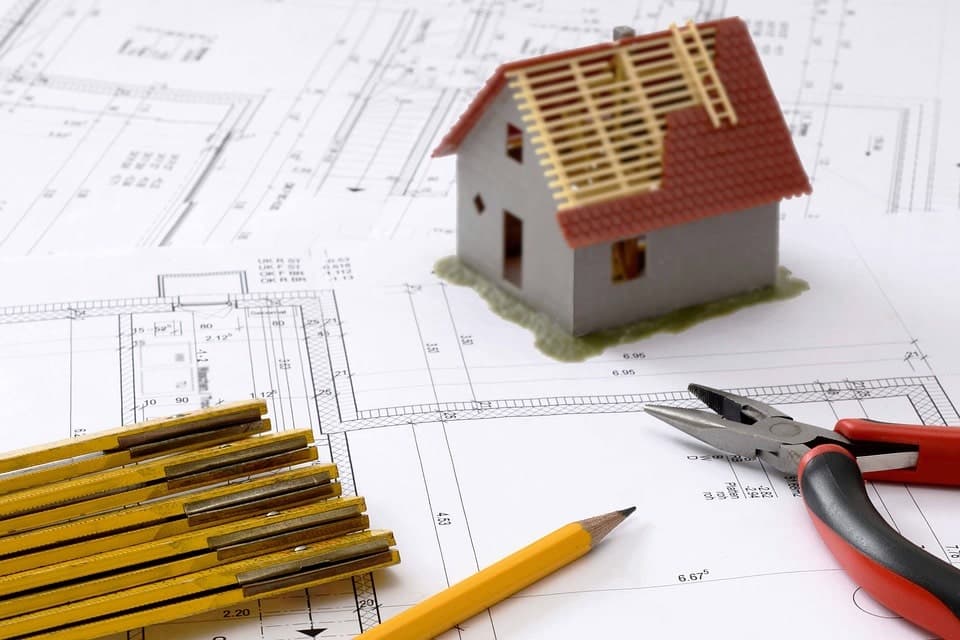
Jumbo construction loans are home loans used to build a new home or finance a major renovation when the total amount needed is above your county's conforming loan limit.
Instead of receiving all funds at once, borrowers typically receive money in draws as construction milestones are completed and inspected. Because jumbo loans are not backed by Fannie Mae or Freddie Mac, lenders usually apply stricter standards for credit, down payment, cash reserves and documentation than they do on conforming construction loans.
Below, we'll explain how jumbo construction loans work, the main loan structures, what lenders review for W2 and self-employed borrowers, and the questions to ask before you apply.
What is a Jumbo Construction Loan?
A jumbo construction loan is specifically designed to finance the costs of building a home from the ground up or completing extensive renovations on an existing home, where the costs for construction exceed the limits for a conforming loan.
The FHFA sets the conforming loan limit for single-unit homes each year, and it is adjusted annually for most of the continental US, with higher thresholds in certain high-cost areas. Because this figure changes yearly, check the current limit directly with the FHFA or your loan officer rather than relying on a prior year's number. For 2026, FHFA set the baseline limit for a one-unit home at $832,750, with a ceiling of $1,249,125 in high-cost areas, so a loan above your county's limit is a jumbo loan.
So if your building plans exceed this amount, you'll need to take out a jumbo construction loan to cover the costs of materials, labor, and other associated expenses during the building process.
These loans are typically distributed according to a construction loan draw schedule throughout the build. Every time a milestone or construction phase is completed, additional funds are released to complete the next stage.
For example, lenders distribute a set amount to complete the foundation and framework. Once that process is completed and inspected, then the lender will release the next wave of funds for plumbing and electrical work. And so on and so forth.
It should be noted that these loans typically come with higher interest rates and heftier requirements since the government doesn't back them.
Types of Jumbo Construction Loans
Like conventional loans, you can obtain several different types of jumbo construction loans depending on your financial situation. It's essential to consider the advantages and disadvantages of each before you choose which one is right for you.
Loan type | Best for | Closings | What happens at completion |
|---|---|---|---|
Construction-to-permanent | Borrowers who want one loan from build to long-term financing | One | The loan converts to a permanent mortgage if program conditions are met |
Construction-only | Borrowers who want short-term build financing first | Usually two if permanent financing is needed later | The balance is paid off or replaced with a separate mortgage |
Renovation or rehabilitation | Borrowers buying or improving a property with major repair costs | Varies by program | The loan covers purchase or existing balance plus approved renovation costs |
Construction-to-Permanent
A construction-to-permanent loan, sometimes called a one-time close construction loan, is ideal for those who want to build their dream home without worrying about acquiring multiple loans at different stages of the construction process. For conforming loans, Fannie Mae's construction-to-permanent guidelines explain how a single-closing loan converts to a permanent mortgage once the home is finished, and many jumbo lenders use a similar structure with their own rules.
After all, most homeowners aren't ready to repay the loan in full once their house is built. They want to roll the costs into a traditional mortgage. And these loans are designed to speed up the process of obtaining a mortgage and building a home.
A single loan is used for both building and financing, eliminating the need to obtain two separate loans for construction and long-term financing.
Because this type of loan combines two distinct phases within one loan, it's often referred to as a single-close loan.
Advantages:
Only have to pay closing fees once
Don't have to secure a mortgage after the home is complete
Borrowers only typically only have to make interest payments during the construction phase
Disadvantages:
Interest rates are usually adjustable, and they are typically higher during the construction phase
Potentially have a larger down payment
Borrowers may need to provide additional documentation throughout the process, which can add time and complexity
Construction-Only Loan
While a construction-to-permanent loan combines two loans into one process, a construction-only loan focuses exclusively on financing the cost of building or renovating a home.
Once the construction is complete, homeowners either have to:
Pay back the amount in full
Search for permanent financing
This type of loan is commonly used by owner-builders or people who want to build or renovate a custom home but don't have the capital to do it all at once.
However, for those needing permanent financing after building is complete, construction-only loans are the first part of a two-close loan process since homeowners must complete another closing to secure a mortgage.
Advantages:
Finance construction without having the full amount of capital upfront
Lower down payment
Lending limits may be higher
Disadvantages:
Considered risky for lenders, which can result in additional hurdles for borrowers to overcome
Must pay closing costs twice if they need to find permanent financing
May not get the best rates when searching for permanent financing
Typically short-term and must be paid back in full once construction is complete or up to one year
Renovation or Rehabilitation Loan
A renovation or rehabilitation loan is ideal for homeowners who want to make major repairs or upgrades but can't afford to do so out of pocket, through a traditional mortgage, or through a line of equity.
With these types of loans, you use the funds to pay for any repairs you need, such as replacing a roof, painting walls, remodeling bathrooms or kitchens, and more. It covers the cost of materials needed for the renovation project.
This loan also enables borrowers to purchase a home in need of repairs, complete the renovations, and have one mortgage that covers both the purchase price and the cost of rehabilitation, saving you time, energy and money in the long run.
Advantages:
Allows you to purchase a home that needs repairs and make the repairs with one loan
One monthly payment that combines reno costs and mortgage
Loan amounts are based on "as-completed" value (specific limits vary by lender and program)
Disadvantages:
Borrowers must use approved contractors and materials if specified by their loan package
Mortgage insurance is often required
Repairs must be completed within specific time limits (often 6-12 months, depending on the lender)
Construction Loan Requirements: W2 vs. Self-Employed Individual
The requirements for your jumbo construction loan will vary depending on the type of construction loan you want to use, the lender, and whether or not you're a W2 employee or self-employed.
For self-employed borrowers, the main issue is not just total income, but how stable and usable that income looks after business expenses, write-offs and year-over-year trends are reviewed. On a jumbo construction file, underwriters may also look closely at liquidity, business cash flow and whether the borrower can comfortably carry the project through delays or cost overruns.
Both types of borrowers will have to meet their lender's criteria for approval before their construction loan can move forward, but here's a quick chart to show you some of the different requirements for W2 and self-employed individuals.
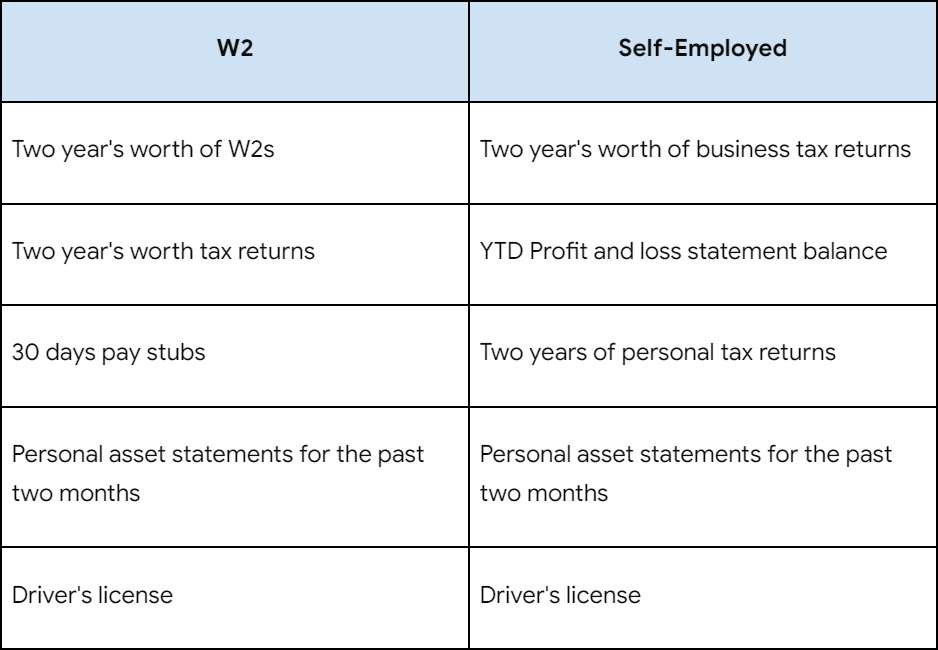
Additionally, most lenders will require a budget that details the project's estimated costs and how you plan to pay for them.
What Lenders Usually Review on a Jumbo Construction Loan
Credit profile: Jumbo construction loans usually call for stronger credit than standard conforming loans because the lender is taking both construction risk and jumbo loan risk.
Down payment or equity contribution: Your required contribution may come from cash, and in some cases from land equity if you already own the lot free and clear or with sufficient value.
Cash reserves: Many jumbo lenders want to see post-closing reserves to cover mortgage payments, especially on larger loan amounts or self-employed files.
Debt-to-income ratio: Lenders review your monthly obligations against qualifying income, but jumbo programs may also weigh liquidity and overall asset strength.
Builder and project review: The lender may review the contractor's license, insurance, experience, plans, specs, timeline and line-item budget before approving the file.
Appraised as-completed value: Construction lending is typically based on the home's projected value after the work is finished, not just the current land value or current condition.
Income documentation: W2 borrowers often document income with pay stubs and W2s, while self-employed borrowers may need tax returns, business returns, year-to-date profit and loss statements or other program-specific documentation.
What Are the Steps To Get a Construction Loan?
Getting a construction loan can be a complicated process, but if you have the right information, it's easier to understand what you should expect. Here are the basic steps to getting a construction loan:
Step 1: Find a Lender
Start by researching local banks and credit unions that offer construction loans. Make sure you find an experienced and qualified lender specializing in these types of loans and understand all of the loan terms before you apply.
For example, some lenders may allow you to bundle your property purchase and construction costs together, while others will want you to have purchased a plot of land before they offer to finance. This way, you have some equity in the property.
Step 2: Get Pre-Approved
After you've found a lender, apply for pre-approval. This will include providing financial information and possibly additional documents like tax returns or bank statements.
You'll also need to show them the plans for the project you are borrowing, such as blueprints and cost estimates.
Step 3: Hire a Contractor
You'll need to find a qualified contractor who can do the work. Ensure they are licensed, insured, and approved by your lender before signing any contracts.
If you need help finding a reliable contractor, seek recommendations from friends and family who have built their own homes or utilize resources like local Home Builders' Associations for referrals in your area.
A little bit of research will pay dividends when selecting the perfect contractor for getting the job done.
Step 4: Complete the Application
After all your documents are ready, including finalized plans, submit an official loan application to the lender. This will get the ball rolling on your project.
From there, your lender will likely send out an appraisal and inspection to kick off your construction loan process.
How to Increase the Odds of Getting a Jumbo Construction Loan
Following some simple tips may improve your odds of getting the loan you need to build your dream home. Here are five tips to get you started:
Have a good credit score: Credit score requirements vary by lender and program, but a higher credit score generally strengthens a jumbo construction loan application.
Prepare a reasonable down payment: Down payment requirements vary by lender and loan type, but generally, the more money you put down on the construction, the lower the loan amount will be.
Optimize your debt-to-income ratio: Lenders generally favor a lower debt-to-income ratio, so try to reduce this number where possible before applying.
Have a solid plan: Make sure you have a detailed budget, timeline, and other necessary documents ready to show the lender.
Research different lenders: Different lenders have different requirements, so it's worth looking around to find the best deal for you.
Do Construction Loans Require PMI?
Mortgage insurance requirements vary by lender and program. On conforming loans, putting down less than 20% often leads to private mortgage insurance. On jumbo construction loans, lenders may use different rules, which can include mortgage insurance, a higher required equity contribution or other risk-based pricing adjustments. Confirm the exact structure with your loan officer for the program you're considering.
Frequently Asked Questions
Is a jumbo construction loan the same as a jumbo mortgage?
No. A jumbo mortgage usually finances the purchase or refinance of a completed home above the conforming loan limit. A jumbo construction loan finances the build itself, or a major renovation, and may later convert into a permanent jumbo mortgage depending on the loan structure.
How much down payment do you need for a jumbo construction loan?
Down payment requirements vary by lender, loan structure, property type and overall borrower profile. Some lenders may also count land equity toward your contribution if you already own the lot. The best way to compare options is to ask how much cash, equity and reserves the specific program requires.
Can a self-employed borrower qualify for a new construction jumbo loan?
Yes, but self-employed borrowers usually need more income documentation than W2 borrowers. Depending on the program, that may include personal and business tax returns, year-to-date profit and loss statements, bank statements or other records that help the lender evaluate income stability and repayment ability.
How does a construction loan draw schedule work?
Funds are typically released in stages as the project reaches agreed milestones, such as foundation, framing, rough-ins and final completion. Before each draw is released, the lender may require an inspection, updated invoices or a signed draw request to confirm the work has been completed.
Do jumbo construction loans require cash reserves?
Many do. Jumbo lenders often want to see liquid assets left after closing, especially on larger loan amounts, custom builds and self-employed files. Reserve expectations vary by lender, so ask how many months of housing payments or other liquid assets the program expects you to keep available.
What credit score do I need for a custom home construction loan?
Credit score requirements vary by lender and loan program. In general, jumbo construction loans tend to require stronger credit than conforming construction loans because the lender is taking on more risk. Ask your loan officer for the minimum score and whether other strengths, such as reserves or a larger down payment, affect the review.
Get a Construction Jumbo Loan with MDL
At Modern Day Lending, we understand that a construction jumbo loan is a substantial financial commitment. That's why our team of mortgage professionals is dedicated to providing you with the best financing options and terms.
While the other big banks want you to jump through all kinds of loops, we strive to make the process as simple and straightforward as we can. All you need for pre-approval is:
Proof of income for the past two years
Good credit score
Personal asset statement
Driver's license
We'll walk you through the draw schedule, reserve requirements and documentation for your build so you know what to expect before you apply.
Additionally, we are committed to providing excellent customer service and helping you every step of the way. We work closely with each customer to develop an individualized loan plan, considering their unique needs and goals.
If you're ready to get started, reach out to a member of our team and get a jumbo loan with a low down payment.